
I am not competing with Amazon bookstore, or some Barns and Noble in the USA, Thalia in Germany or Valters un Rapa in Latvia. One can find there all sorts of books – from beginners level, to highly sophisticated pattern and tailor books. Books for all tastes and levels.
I am actively using only three books – with patterns (see the list below). It is very rare when I use the pattern precisely like it is in the book. I like to modify the pattern – to adapt it to a certain person, my yarn stock and my abilities. Sometimes I pick up some element of the pattern and create a new pattern. This is where my creativity is needed. A new pattern or color scheme – it is one of the knitting drivers – I just want to see how it looks. When I knit, I never use copy-paste method. Only in some very few case, when I enjoy the original pattern coloring so much, that I buy the necessary colors and I knit a pair of mittens just to satisfy my own curiosity and gain some special pleasure.
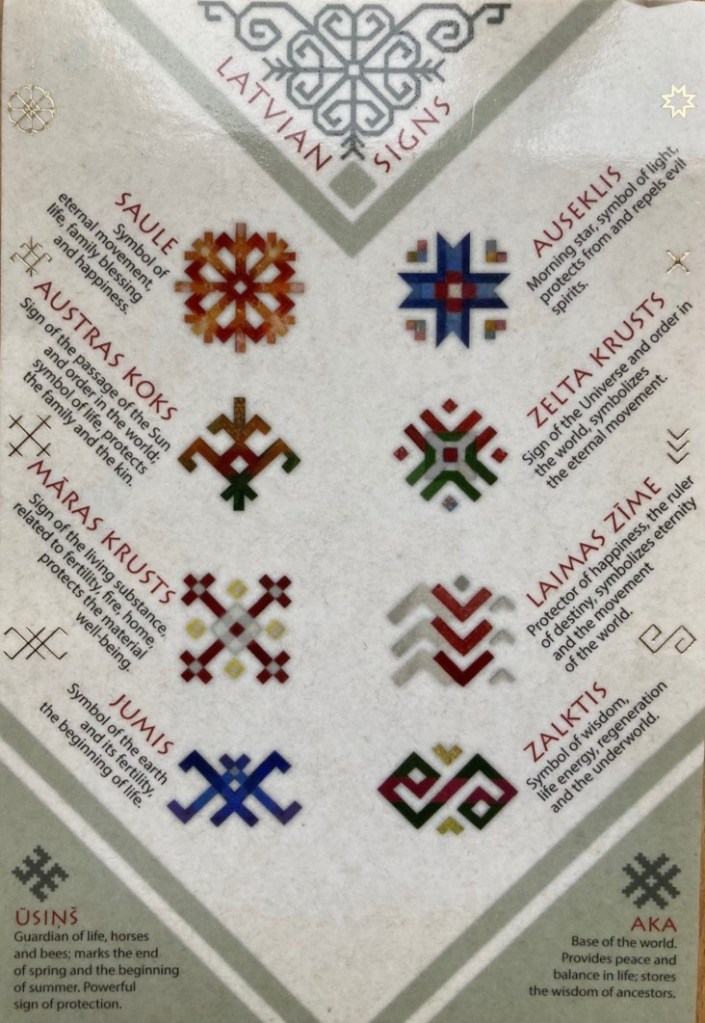
When I knit, I use a lot of Latvian elements and symbols. I do not need books to use them. I know them for so many years that I have forgot where is this information coming from. I have grown up with these signs, I live with them, and I believe in them. I do not know the names of these signs in English. Probably some linguists would argue, but I prefer keeping to the original name, and interpret its meaning. Here below are the basic examples of the signs and their meaning in Latvian ethnography.
When I have an idea for knitting, usually I take one of my books to find some inspiration for a pattern or color scheme. My most used book is “Latvian Ornamented Mittens ” which I inherited from my mother. I believe, she has knitted some 100 pairs of mittens using this book. She never counted them. Now this book is like my mitten “Bible”.
For me, it is a very calming activity to read this book. Sometimes I go through it thinking of the yarns that I have in my yarn basket, and the people whom I would like to knit. And then I match these things together. Sometimes I pick up a small pattern from this book, I develop my own pattern. But almost always, this book is my starting point.
The patterns in this book are very realistic. One does not have to be a high professional or artist to use these patterns in knitting.
Every pattern also has it place of origin in Latvia, and year, when it has been registered.
The book includes a very nice summary of the historic (both Latvian ethnographic specifics and national historic traditions of knitting and presenting the mittens) description of the Latvian ornamental mittens. I have scanned it and you can find and read it below, with the reference to this book.
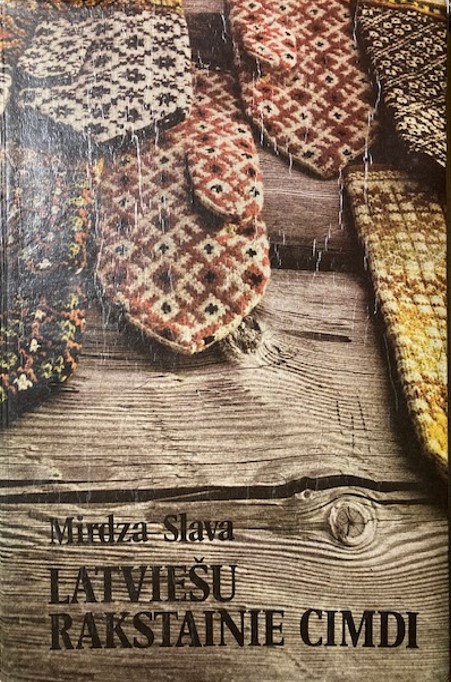
(Translation: Mittens of Latvia).
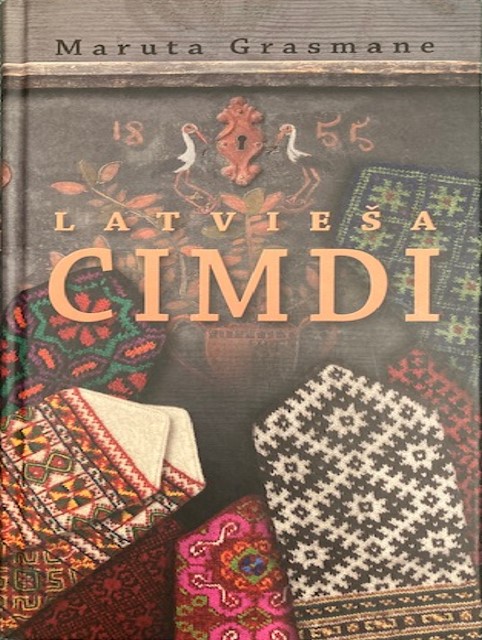
This is another book that I regularly use, both for fun and looking for inspiration.
There are 178 mitten patterns in this book. The book is translated also into English and German, and one can buy it from Amazon. This book is very professional – both in design and content, and its target group – professional ethnographic knitters (I am just an amateur!), who usually are coming from some national art studios. The descriptions in this book are developed scientifically correctly, with correct references, etc. The patterns have also the indications of the origin place and year.
But the biggest value of this book is that all 178 patterns are knitted and the pictures are taken – so one can see the schematic drawing and besides that – a real mitten knitted according to this pattern.
There are very few patterns I have taken from this book. Maybe , when I am retired and have much more time…
This is a book I use to find an appropriate pattern or an inspiration for a pattern, when I have a pullover, scarf, or a cap in my mind. This is a universal book which can be used at any level – starting from very beginners, up to high professionals. Sometimes, I go back to the beginner pages to learn some new ( or forgotten) knitting trick or element.
But sometimes I challenge myself, I pick up something new from the more sophisticated patterns.
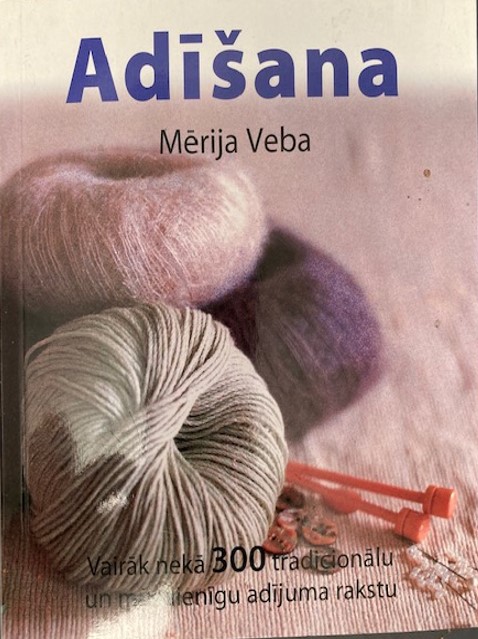
(Original: Mary Webb, Knitting stiches, London, 2006)
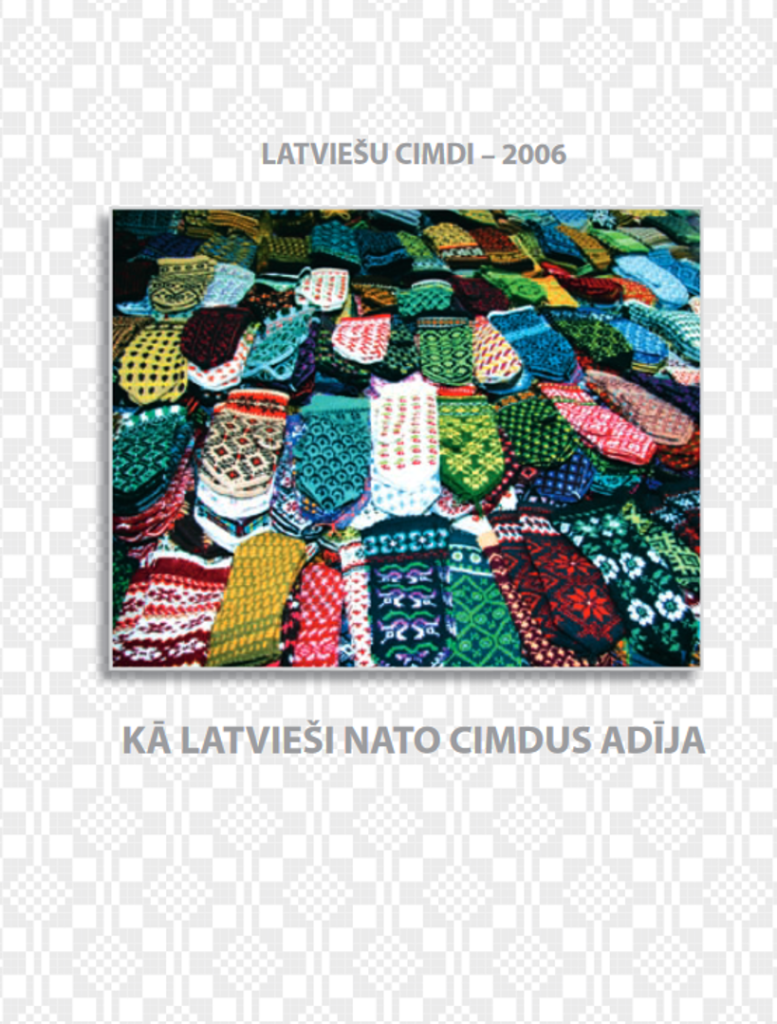
In summer 2006 the NATO summit in Riga took place.
Latvian knitters organized a big project – knitting a pair of Latvian etnographic mittens as a gift to each particiapnt of the summit.
The stories of this unique project, introduction to the knitters all over Latvia, as well as numerous pictures of their mittens in 2007 were published in the book “Latviešu cimdi- 2006; Kā latvieši NATO cimdus adīja” (“Latvian Mittens -2006; How Latvians knitted mittens for NATO”), Ulme, 2007.
The last chapter of the book is summary in English, and it contains brief history of Latvian knitting traditions, as well as description of the project.
If you are interested to read the summary of the book, and to see the knitters and their colorful mittens, the link to the book is available here.
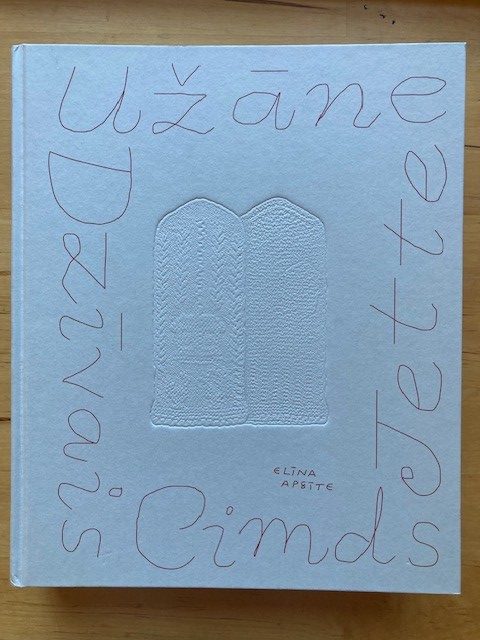
Biedrība “Cimdu ceļš”, 2025
This book is brief summary of the Latvian legendary mitten knitter (1924-2007) – Jette Užāne.
The book summarizes essential part of her professional life, illustrated with inspirational stories and photos, as well as her mittens – photos and schematic drawings.
A big part of her mittens were pieces of art – inspired by Latvian and Scandinavian ethnography, the political events and other type of artists – poems, paintings.
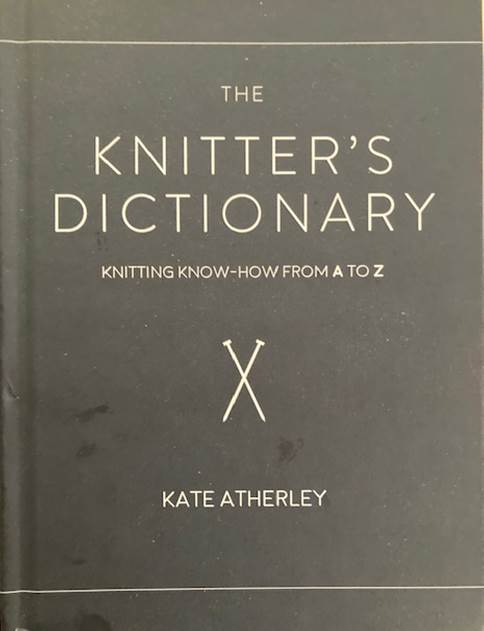
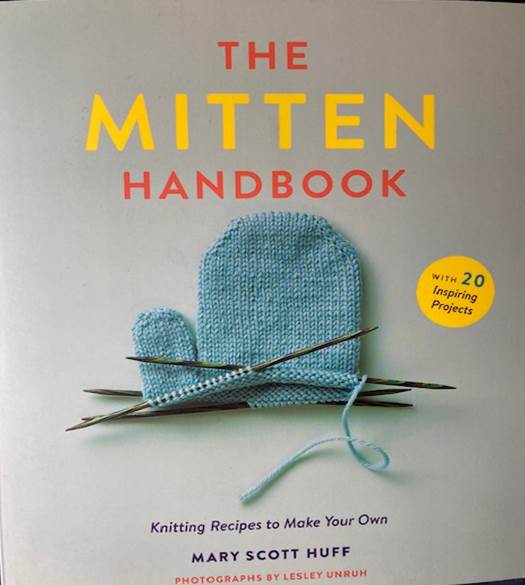
In summer 2021, I found some interesting books in Barns&Noble (USA). I have come to a situation that I would like to communicate with English speakers about knitting, but..unfortunately all my knitting terminology is in Latvian.
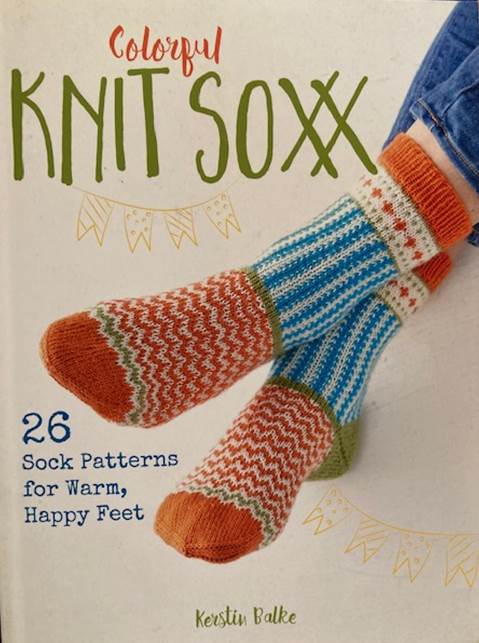
So, I started with Knitter’s Dictionary. That helped me to understand the descriptions in the US knitting books much better. Then I found a book about knitting mittens (Mitten handbook), which surprised me with a large variety of different mitten elements. The “Colorful knit socks” book gave me an enormous inspiration to knit ornamental socks and to learn to knit some elements of the socks in new ways (e.g. the Boomerang heel, a Kitchener stitch for the bind-off the sock, etc.).
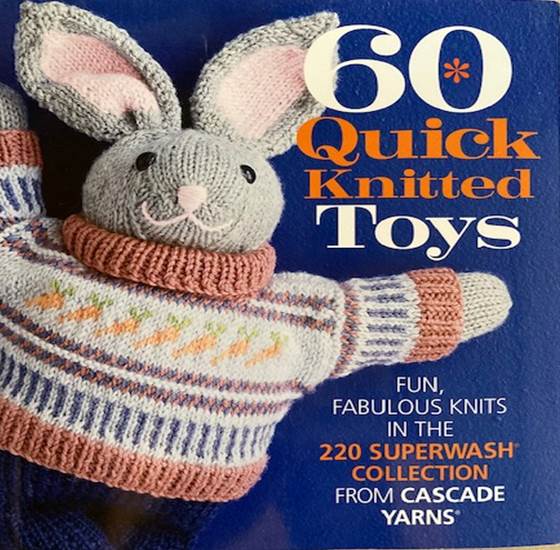
Thinking about the new generation – my emerging grand-kids, I also bought a book on knitting toys. I have never done it before, but technically I do not see any obstacle why cannot I knit toys. They are so cute, and even more than cloths can bring the knitter’s love to babies.
 knit fits